English
 繁体中文
繁体中文 简体中文
简体中文 Deutsch

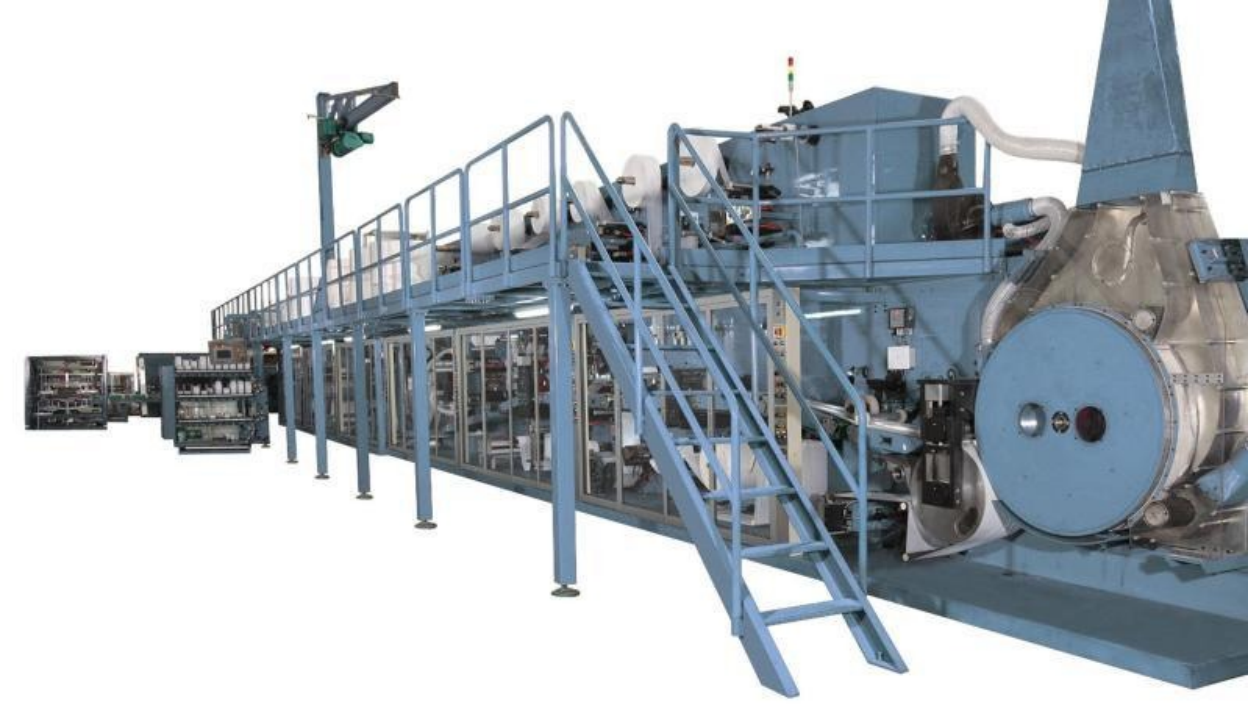
Meta Description: Discover 2026 global diaper manufacturing trends. Compare medical-grade adult vs baby diaper production lines on investment, cost, and profit. Find the best full-servo flexible line for your export business.
As a leading global provider of diaper production line solutions, we deliver data-driven selection advice based on the latest 2026 reports from Mordor Intelligence and Grand View Research, combined with 10+ years of industry experience and 200+ global customer success cases. Core Conclusion: Medical-grade adult diaper production lines offer the highest ROI and lowest risk today; baby diaper lines only suit manufacturers with scale or differentiation advantages; full-servo flexible co-production lines are the optimal solution balancing short-term profits and long-term growth.
I. Global Market Fundamentals: Growth & Profit Divergence Between Two Tracks
1. Adult Diapers: High-Growth Blue Ocean Driven by Medical-Grade Products
· Market Size & Growth: The global adult diaper market reached $15.68 billion in 2026 and is projected to exceed $22.45 billion by 2030, with a Compound Annual Growth Rate (CAGR) of 9.54%. Medical-grade products now account for 49% of the market, growing at 14.2% annually—1.9x faster than civilian adult diapers and 2.3x faster than the baby diaper market. By segment: surgical-specific diapers (16.8% CAGR), ICU-specific diapers (15.3% CAGR), rehabilitation care diapers (12.7% CAGR).
· Key Drivers:
o Population aging: Global population aged 65+ will rise from 790 million in 2026 to 910 million in 2030, with over 150 million disabled elderly
o Healthcare infrastructure expansion: Global ICU bed count grows 5.2% annually; long-term care facility penetration reaches 38% in Europe/North America vs <10% in emerging markets
o Policy support: EU includes medical diapers in health insurance; US Medicaid covers 80%+ of institutional purchases
· Competitive Landscape: Global Top 5 Market Concentration Ratio (CR5) is only 35%, and <25% in the medical-grade segment. Leaders like Kimberly-Clark and Hengan dominate the high-end, leaving ample space for new entrants in the mid-to-low end.
2. Baby Diapers: Mature Market with Stagnant Growth
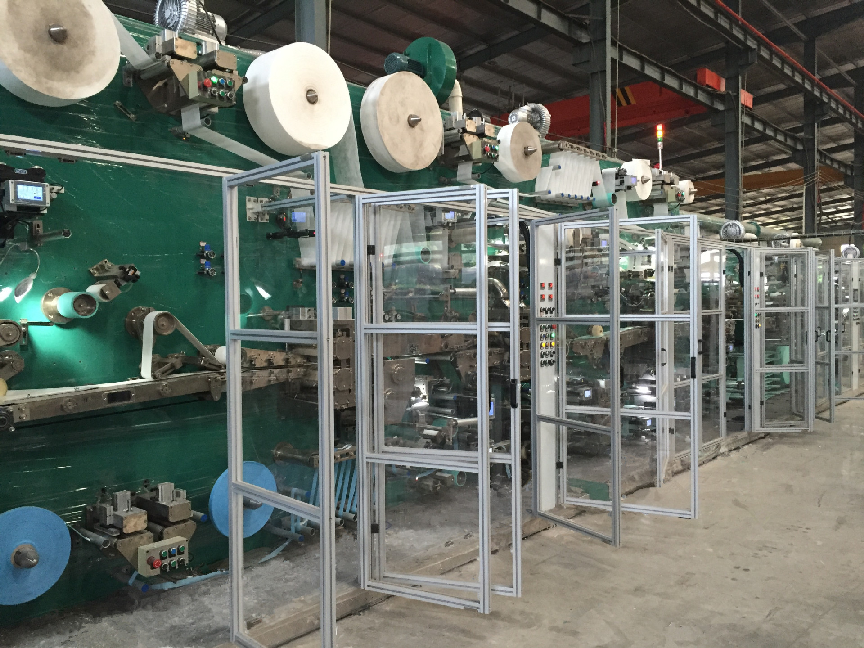
· Market Size & Growth: The global baby diaper market reached $49.8 billion in 2026 and is projected to hit $57.2 billion by 2030, with a CAGR of just 3.3%. Major markets like China, the US, and EU have entered negative growth (China down 1.2% YoY in 2026), with only India (7.8% CAGR) and Nigeria (6.5% CAGR) showing strong growth.
· Key Drivers:
o Emerging market population growth: 24 million annual births in India, 18 million in sub-Saharan Africa
o Product premiumization: High-end ultra-thin, breathable, hypoallergenic diapers rose from 28% market share in 2020 to 42% in 2026
· Competitive Landscape: Global CR5 reaches 62%, with P&G, Kimberly-Clark, and Kao controlling 45%+ of the market. Head brands leverage scale to cut unit costs by 15-20%, squeezing small manufacturers. Over 100 baby diaper factories shut down globally in 2026.
II. Full Comparison of Core Production Line Metrics (2026 Standard Configurations)
Based on 100 million units annual capacity, we compare investment, operations, cost, profit, and risk across all major line types:
Comparison Dimension | Medical-Grade Adult Diaper Line (600 pcs/min) | Premium Baby Diaper Line (1000 pcs/min) | Standard Baby Diaper Line (800 pcs/min) | Full-Servo Flexible Co-Production Line (500 pcs/min) |
Total Equipment Cost | $900,000-$1,300,000 | $750,000-$1,050,000 | $450,000-$650,000 | $650,000-$850,000 |
Cleanroom Investment | $300,000-$500,000 (Class 100,000) | $100,000-$200,000 (Class 300,000) | $50,000-$100,000 (Class 300,000) | $200,000-$300,000 (upgradeable to Class 100,000) |
Annual Capacity (24/7) | 126 million units | 315 million units | 252 million units | 105 million units |
Unit Energy Cost | $0.012/unit | $0.006/unit | $0.005/unit | $0.009/unit |
Workers per Shift | 8-10 | 6-8 | 5-7 | 7-9 |
Floor Space Required | 1,200 ㎡ | 1,500 ㎡ | 1,300 ㎡ | 1,100 ㎡ |
Unit Production Cost | $0.33-$0.49/unit | $0.17-$0.25/unit | $0.13-$0.19/unit | $0.28-$0.42/unit |
Average Ex-Factory Price | $0.68-$0.98/unit | $0.31-$0.43/unit | $0.17-$0.23/unit | $0.55-$0.85/unit |
Gross Margin | 43%-54% | 33%-41% | 17%-24% | 40%-51% |
Annual Net Profit | $2.9-$3.9 million | $1.9-$2.7 million | $0.65-$1.15 million | $2.2-$3.2 million |
Static ROI Period | 3.2-4.1 years | 4.3-6.2 years | 5.5-8.5 years | 3.5-4.8 years |
Equipment Depreciation Life | 10 years | 8 years | 6 years | 10 years |
Core Risks | Regulatory certification, raw material price volatility | Price wars, brand competition | Overcapacity, thin margins | Changeover capacity loss, multi-category management |
Market Entry Barrier | High (medical device certification) | Medium (brand & distribution) | Low (no technical barriers) | Medium (technology + management) |
Key Differentiators:
· Medical-grade adult lines deliver 3.2x higher net profit per square meter than standard baby lines and 1.8x higher than premium baby lines
· Baby lines require a minimum speed of 1000 pcs/min to achieve economies of scale; lines below this threshold see unit costs rise by 20%+
· Flexible co-production lines have 5%-8% capacity loss during changeovers, which can be reduced to <3% with optimized production scheduling
III. Tailored Selection Solutions for Different Customer Types
1. New Market Entrants: Prioritize Medical-Grade Adult Diaper Lines
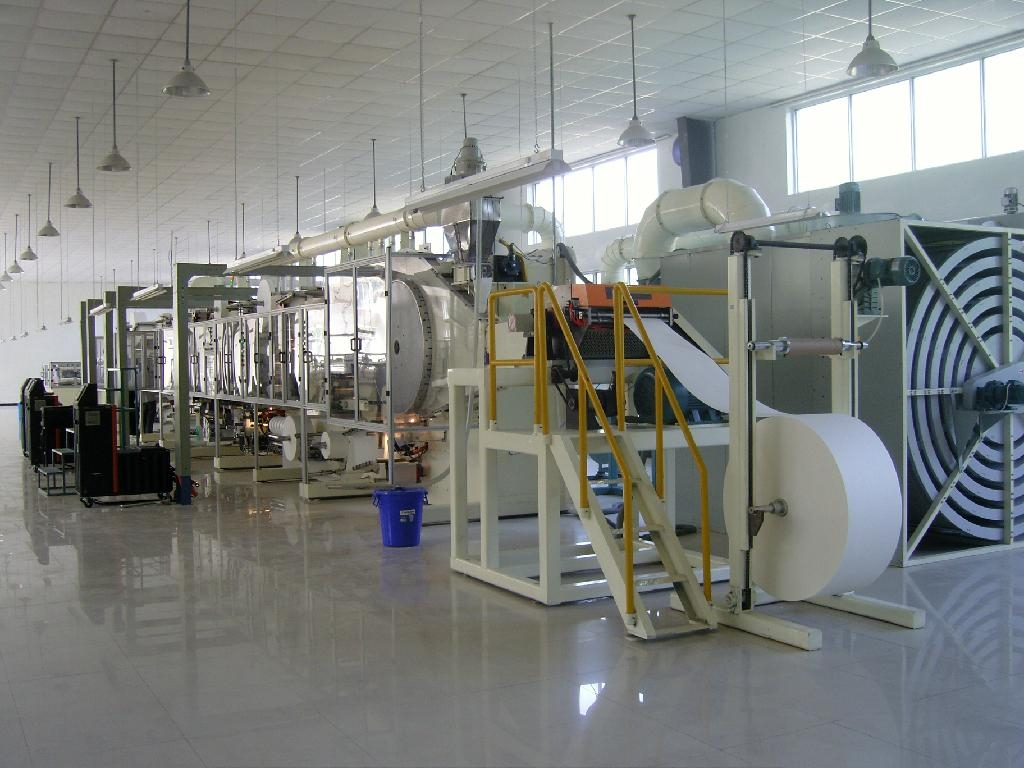
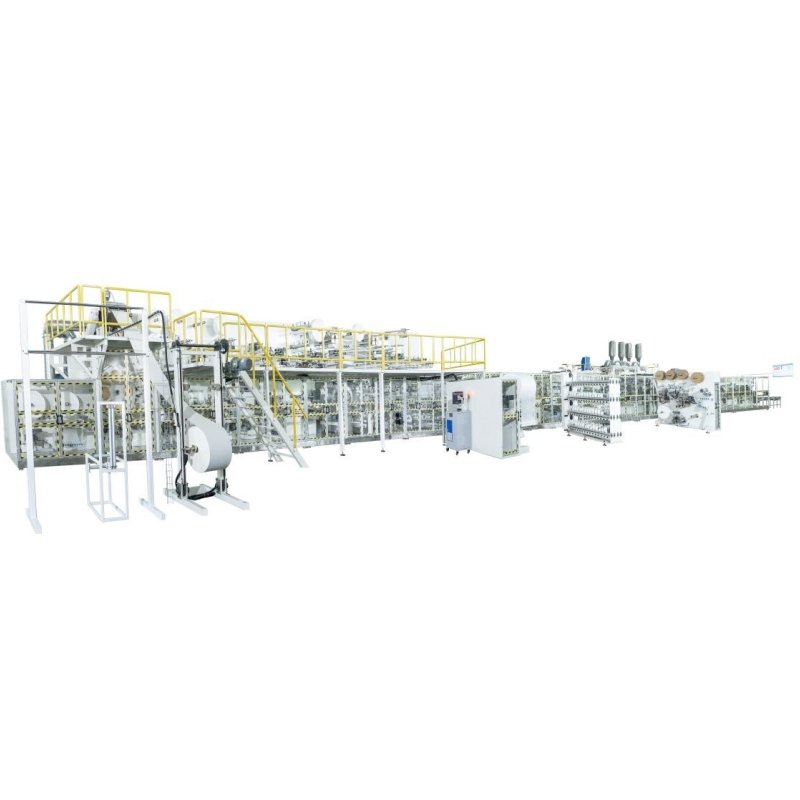
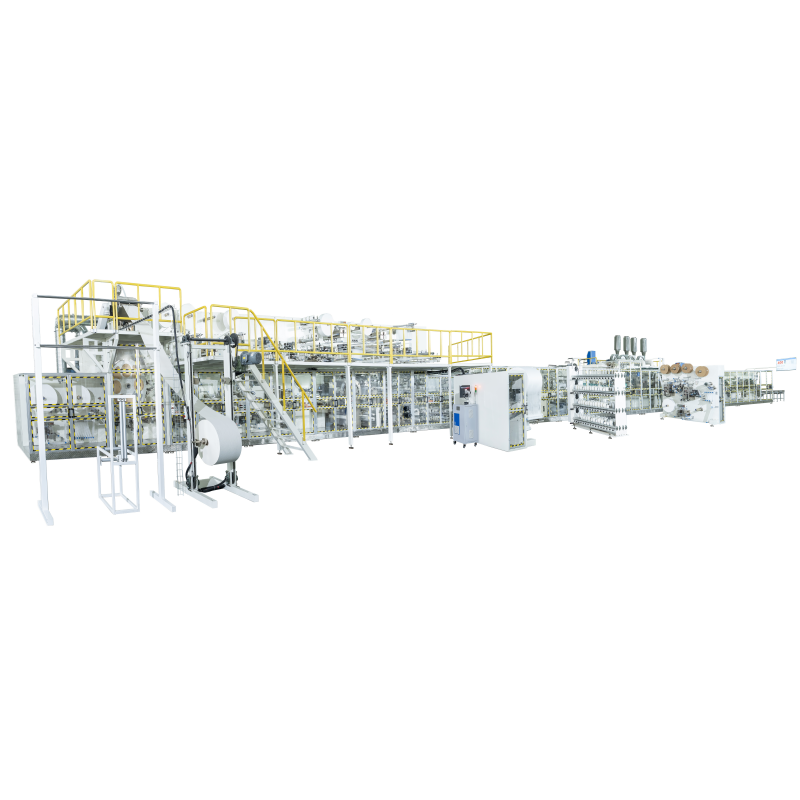
Recommended Configuration: 600 pcs/min full-servo medical-grade adult diaper line (standard with sterile production interface, antibacterial layer lamination, ultrasonic welding, online microbial detection)
Ideal For: Investors with strong capital (total budget >$1.5 million) targeting the medical consumables sector
Core Pain Points & Solutions:
· Pain Point 1: No medical industry experience, difficult certification process
o Solution: We provide full-service certification management including ISO 13485 system setup, FDA registration, and CE MDR certification, cutting lead time from 12 to 6 months with 98% success rate
· Pain Point 2: Limited access to medical distribution channels
o Solution: Share our global medical customer network and connect you with local hospitals, nursing homes, and medical device distributors
· Pain Point 3: High upfront capital expenditure
o Solution: Flexible payment plans with 30% down payment and 24-month installment options
Alternative Option: For budgets of $800,000-$1.2 million, choose a 400 pcs/min mid-range civilian adult diaper line targeting Southeast Asia and the Middle East, with an ROI period of 4.5-5.5 years.
2. Existing Baby Diaper Manufacturers: Transition to "Adult + Baby" Dual Track
Recommended Solution: First upgrade existing baby lines to flexible co-production lines; add a medical-grade adult line only if additional capacity is neededCore Rationale:
· Leverage existing supply chain and distribution channels to quickly enter the adult diaper market
· Dual-track diversification mitigates risks from baby market cyclicality
· High profits from medical-grade adult lines can fund R&D and marketing for baby products
· Transition Barriers & Solutions:
· Barrier 1: Existing equipment cannot produce adult diapers
o Solution: Our existing line upgrade service only requires replacing the cutting system, waistband forming module, and SAP applicator to enable adult/baby co-production, at 30% the cost of a new line
· Barrier 2: Lack of adult product manufacturing and quality control expertise
o Solution: Deploy senior process engineers for 3 months of on-site guidance to establish medical-grade quality control systems
· Barrier 3: Mismatched distribution channels for adult products
o Solution: Provide channel training and customer matchmaking to help you build an adult product sales network quickly
3. Export-Oriented Manufacturers: Region-Specific Customized Selection
Choose the optimal line configuration based on target market requirements and regulations:
Target Market | Preferred Production Line Type | Core Configuration Requirements | Certification Requirements & Lead Time | Product Positioning | Average Gross Margin |
North America | FDA-Validated High-Capacity Medical Adult Line | Class 100,000 cleanroom compatibility, ethylene oxide sterilization interface, full traceability system, 21 CFR Part 820 compliance | FDA Establishment Registration + Product Listing (3 months) + ISO 13485 (6 months) | ICU-specific, surgical-specific premium products | 48%-55% |
Europe | Green Biodegradable Medical Adult Line | PLA/PHA bio-based material processing unit, zero-waste recovery system, carbon footprint tracking | CE MDR Class I Self-Declaration (4 months) + ISO 13485 (6 months) + ISO 10993 Biocompatibility (3 months) | Pressure sore prevention, biodegradable eco-friendly products | 45%-52% |
Asia-Pacific | Mid-Range Adult + High-Speed Baby Co-Production Line | Quick changeover system, multi-size compatibility, low-energy design | China GB 15979 (1 month) / ASEAN FDA (2 months) | Civilian adult + mid-range baby products | 30%-40% |
Middle East & Africa | Basic Adult + Economy Baby Line | Cost-effective, low energy consumption, easy maintenance, bulk packaging module | Saudi MDMA (3 months) / Nigeria NAFDAC (4 months) | Emergency medical, mass consumer products | 25%-35% |
4. Small-to-Medium Manufacturers: Cost-Effective Flexible Production Lines
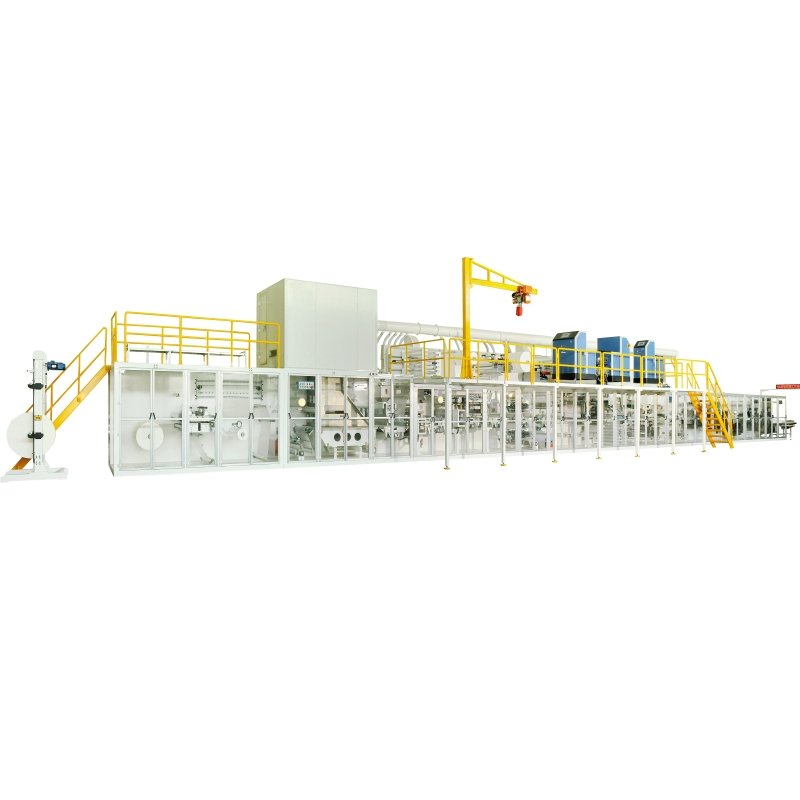
Recommended Configuration: 400 pcs/min full-servo flexible production line
Advantages:
· Low entry barrier (total budget $800,000-$1 million) with controlled risk
· Produces 6 product categories: adult diapers, baby diapers, nursing pads, maternity pads, pet pads
· Flexible production scheduling adapts to small-batch, multi-SKU orders
· Upgradeable to medical-grade line in the future (upgrade cost ~$200,000)
Ideal Use Cases:
· Regional small-to-medium brand owners
· OEM/ODM manufacturers for large brands
· Manufacturers testing multi-category production to find new profit drivers
IV. Regional Market Selection Strategies
1. North America: Only Medical-Grade Adult Lines Make Sense
· Market Characteristics: North America accounts for 34.2% of the global medical diaper market, reaching $5.36 billion in 2026. Institutional purchases make up 57% (32% hospitals, 25% long-term care facilities). ICU-specific diapers command 2.5-3x price premiums over civilian products.
· Key Regulations: Medical diapers are Class I medical devices (510(k) exempt) in the US, requiring FDA establishment registration, product listing, a US authorized representative, and compliance with 21 CFR Part 801 labeling requirements.
· Channel Dynamics: 70%+ of purchases go through Group Purchasing Organizations (GPOs). GPO supplier qualification is the key to market entry.
· Our Advantage: Our equipment is pre-validated for FDA compliance, with 15 successful North American customer cases. We can assist you in qualifying for local GPO supplier lists.
2. Europe: Green Medical Adult Lines Are the Core Growth Driver
· Market Characteristics: Europe accounts for 24.8% of the global medical diaper market, reaching $3.89 billion in 2026. Biodegradable medical diapers grow at 12.5% annually—2x the industry average. Germany, France, and the UK make up 60% of the European market.
· Key Regulations: EU MDR fully implemented in 2024 imposes stricter requirements on biocompatibility, risk management, and clinical evaluation. Sterile medical diapers require notified body review.
· Environmental Mandates: The EU will impose a carbon tax on single-use hygiene products in 2027, with tax breaks for bio-based products.
· Our Advantage: Our European green lines are optimized for PLA/PHA bio-based materials, solving common issues like low tensile strength and inconsistent forming, and are CE-certified.
3. Asia-Pacific: Dual-Track Strategy
· Mature Markets (Japan, South Korea): Medical diaper penetration reaches 88%, with premium ultra-thin, high-absorbency, skin-friendly products dominating. High-end medical-grade products account for >60% of the market, with strict quality and brand requirements.
· Emerging Markets (China, India, Southeast Asia): Strong demand for mid-range civilian adult and economy baby products. China's medical diaper market grows at 15.6% annually—the fastest in the world. India's baby diaper market grows at 7.8% annually with huge potential.
· Recommended Strategy: Use flexible co-production lines to manufacture multiple grades and categories in the same factory to meet diverse market needs.
4. Middle East & Africa: Prioritize Basic Lines with Medical Upgrade Options
· Gulf Countries (Saudi Arabia, UAE, Qatar): Accelerating private hospital and nursing home construction drives 12%+ annual growth in medical-grade diapers. High quality requirements with low price sensitivity.
· Africa: Dominated by emergency medical and basic care needs, with high price sensitivity. Bulk-packaged, cost-effective products are most popular.
· Recommended Strategy: Deploy cost-effective basic adult diaper lines that can also produce bulk nursing pads. Offer medical-grade line upgrades for Gulf country customers.
V. Optimal Solution: Full-Servo Flexible Co-Production Lines
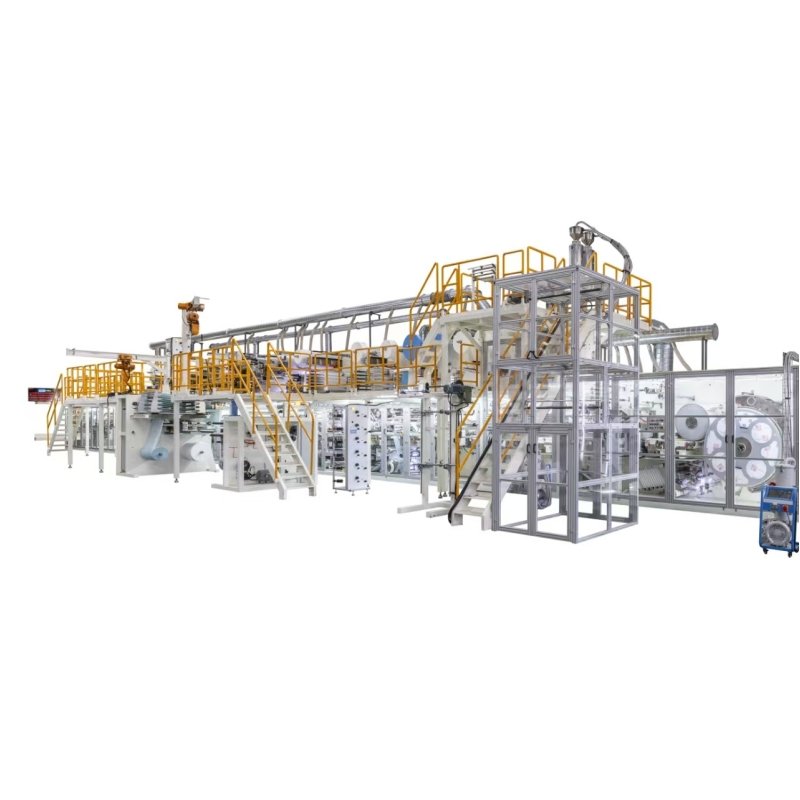
For most manufacturers, full-servo flexible co-production lines are the best choice balancing short-term profits and long-term growth. Our next-generation co-production lines offer these core advantages:
1. Unmatched Flexibility: 15-minute quick changeover between 6 product categories (adult diapers, baby diapers, nursing pads, maternity pads, pet pads) covering all sizes from newborn to XXXL adult
2. Medical-Grade Quality: Standard with ±0.1mm full-servo cutting system, ultrasonic welding, and online microbial detection, enabling production of FDA/CE-compliant medical-grade products
3. High Efficiency: Adjustable speed from 300-600 pcs/min, Overall Equipment Effectiveness (OEE) >90%, 15% lower unit energy consumption than traditional lines
4. Future-Proof Design: Reserved upgrade interfaces for smart modules (urine output monitoring, temperature monitoring) and bio-based material processing units
5. Turnkey Service: Full support from factory design, installation, and certification to personnel training, ensuring successful production within 30 days
Limitations & Mitigations:
· Limitation 1: 5%-8% capacity loss during changeovers
o Mitigation: Use intelligent production scheduling to batch similar products; optimize changeover procedures to reduce time from 15 to 10 minutes
· Limitation 2: Higher quality control complexity for multi-category production
o Mitigation: Deploy online quality inspection systems to monitor absorption, leak resistance, and dimensions in real time; establish category-specific quality standards
· Limitation 3: 10%-15% higher initial investment than single-category lines
o Mitigation: Higher equipment utilization from multi-category production recoups the additional investment in 1-2 years
VI. Risk Mitigation & Long-Term Growth Strategies
1. Regulatory Risk Mitigation (Quantified Metrics)
· Certification Costs & Lead Times:
o ISO 13485: $30,000-$50,000, 6 months
o FDA Registration: $10,000-$20,000, 3 months
o CE MDR: $50,000-$80,000, 4-6 months
· Recommendations: Start certification 6-12 months in advance with experienced medical device certification bodies. Our pre-validated line designs cut certification time by 40% and costs by 30%.
· Ongoing Compliance: Annual audit fees ~$10,000-$20,000. We provide continuous regulatory updates to ensure your products meet the latest standards.
2. Raw Material Price Volatility Mitigation
· Long-Term Contracts: Lock in prices with global suppliers (BASF, Toray, Hengli) via 1-3 year purchase agreements
· Process Optimization: Our precision SAP application technology reduces SAP usage by 5%-8%, saving $150,000-$250,000 annually in raw material costs
· Product Mix Adjustment: Shift production to higher-margin medical-grade products when raw material prices rise
· Futures Hedging: Use commodity futures to hedge against price fluctuations in SAP and non-woven fabrics
3. Long-Term Trend Positioning
· Smart Manufacturing: Our lines have pre-installed smart sensor interfaces for producing IoT-enabled diapers with real-time urine output and temperature monitoring. The smart medical diaper market is projected to exceed $1 billion by 2028.
· Sustainability: Gradually adopt bio-based material processing technology. Our units support PLA, PHA, and bamboo fiber materials, giving you a competitive edge when EU carbon taxes take effect.
· Functional Innovation: Develop high-value products with pressure sore prevention, odor control, antibacterial, and hypoallergenic features. Our lines support online lamination of multiple functional layers for rapid new product launches.
VII. Our Global Service System
· Delivery Lead Time: 4-6 months for standard lines, 6-8 months for customized lines
· Installation & Commissioning: Senior engineers dispatched overseas for on-site installation, ensuring successful production within 30 days
· After-Sales Support: 12-month free warranty and lifetime technical support. Service centers in 15 countries provide 24-hour response.
· Spare Parts Supply: Warehouses in Germany, the US, and Singapore deliver spare parts within 48 hours
· Personnel Training: 3-month comprehensive training covering equipment operation, maintenance, production processes, and quality control
VIII. Conclusion
The global diaper market is undergoing structural transformation. Medical-grade adult diapers are the most certain high-growth, high-profit track, while the baby diaper market has entered a stage of stock competition. For equipment investors, prioritizing medical-grade adult lines or adopting flexible co-production lines for multi-category manufacturing is the core strategy to maximize ROI.
With 10+ years of hygiene equipment manufacturing experience and 200+ line installations in 30+ countries, we are your trusted partner for customized production line solutions. Whether you are a new entrant or an existing manufacturer looking to upgrade, we will help you seize opportunities in the global diaper market.
Contact us today for a free customized production line configuration and detailed ROI calculation based on your budget, target market, and capacity requirements.