English
 繁体中文
繁体中文 简体中文
简体中文 Deutsch

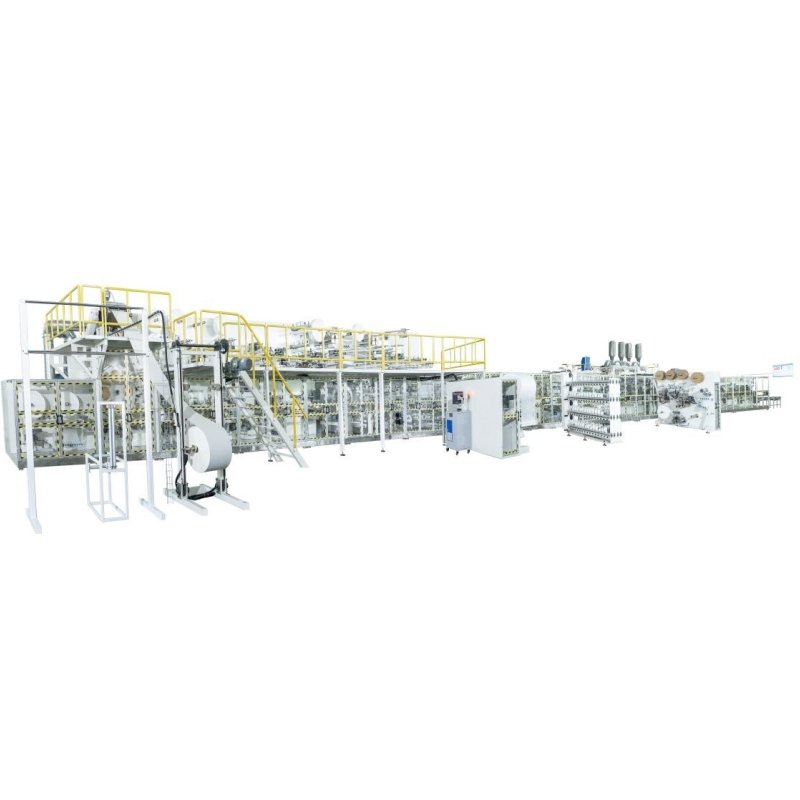
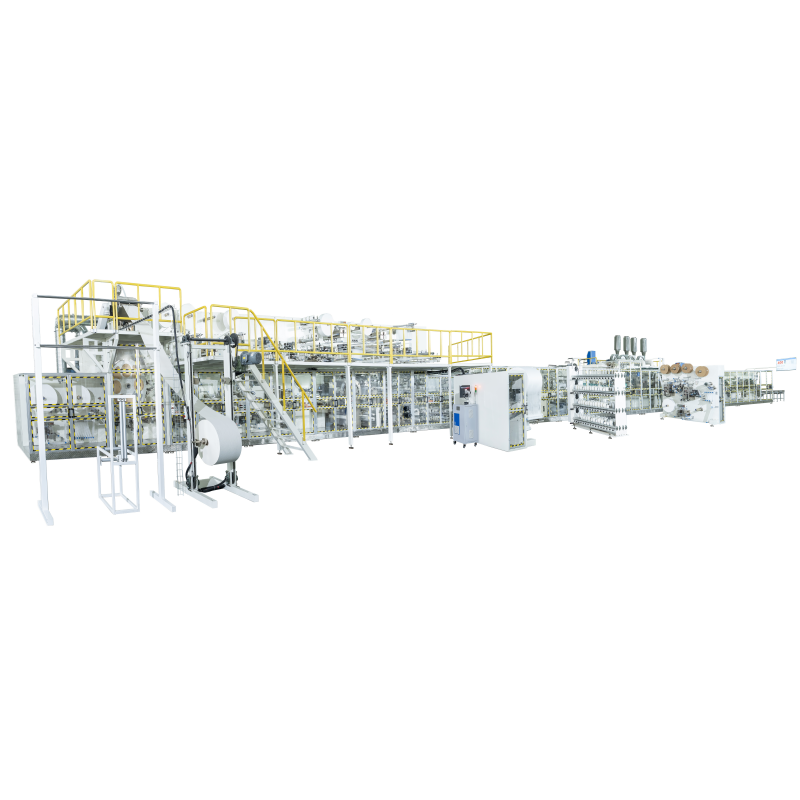
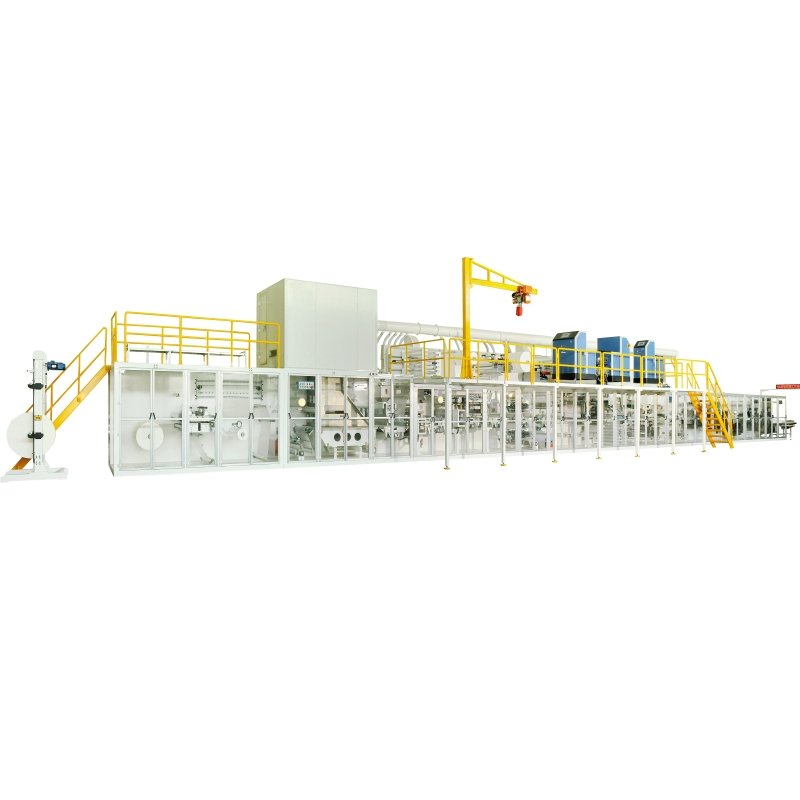
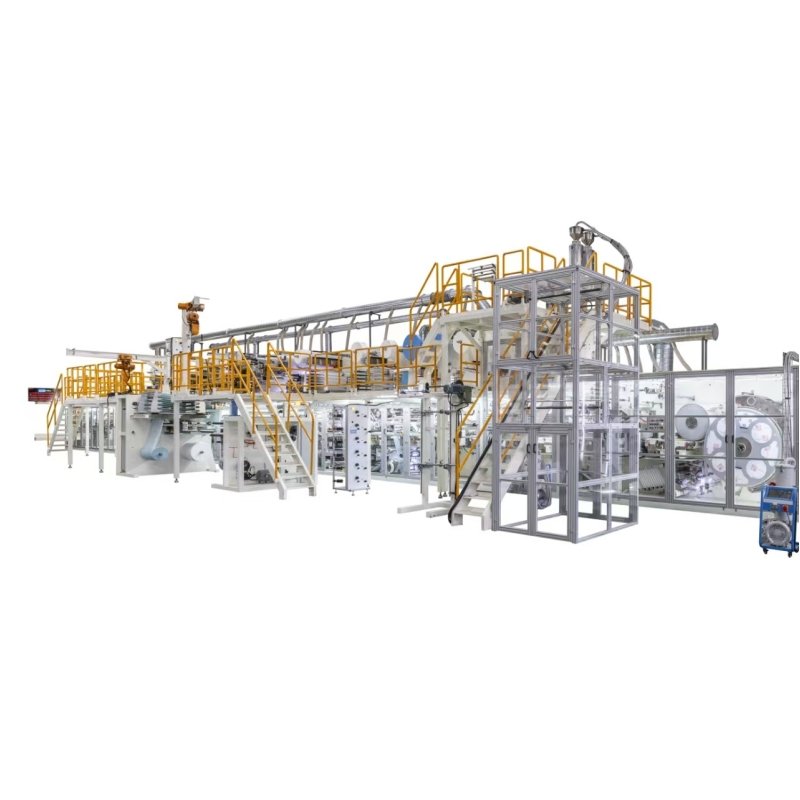
Against the backdrop of rapid growth in the global disposable hygiene products market, a stably operating sanitary napkin production line serves as the core guarantee for your enterprise's profitability. As a professional manufacturer and exporter of sanitary napkin machines, we deeply understand the unique challenges faced by overseas customers: long-distance technical support, long spare parts logistics cycles, shortages of local technical personnel, and huge production losses caused by downtime. From an international trade perspective, we provide a complete system for the maintenance, upkeep and daily inspection of sanitary napkin machines, helping you maximize the return on equipment investment and ensure uninterrupted production throughout the year.
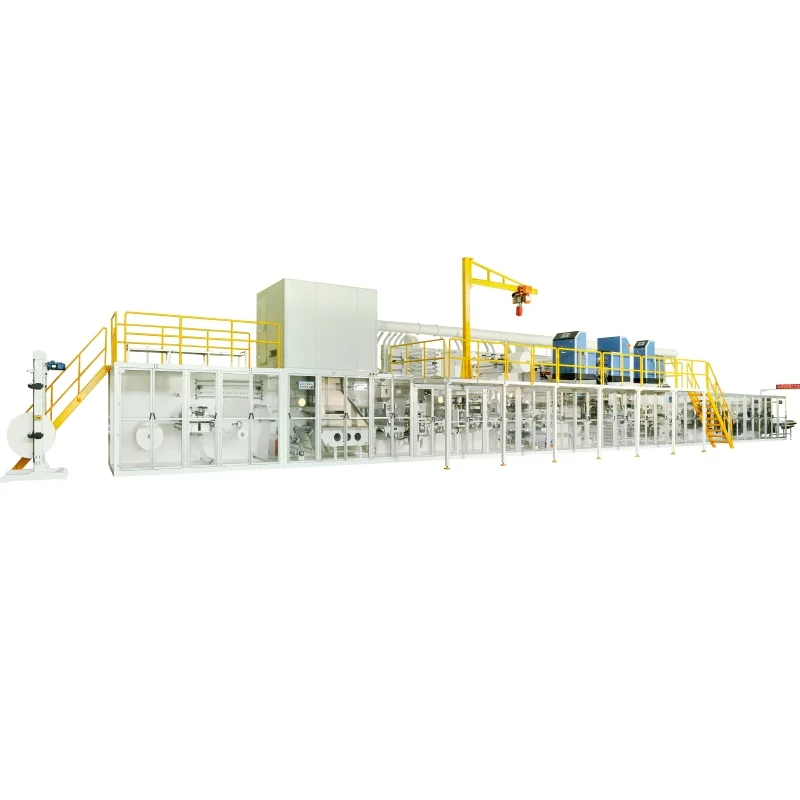
1. Strategic Value of Preventive Maintenance for Overseas Sanitary Napkin Machines
For multinational manufacturing enterprises, preventive maintenance is by no means a simple cost expenditure, but a strategic investment with a high rate of return:
Reduce downtime losses: According to industry statistics, every hour of downtime for a high-speed sanitary napkin production line with a capacity of 600 pieces per minute causes an average direct economic loss of $5,000-$15,000, not including indirect costs such as order delays, customer churn and damage to brand reputation.
Extend equipment lifespan: Scientific maintenance can extend the equipment's service life from the standard 8-10 years to 12-15 years, significantly reducing equipment replacement costs and improving return on investment.
Guarantee product quality: Stable equipment status is a prerequisite for producing high-quality sanitary napkin products, avoiding an increase in the defective rate caused by equipment failures and reducing raw material waste.
Optimize spare parts inventory: Procurement of spare parts based on maintenance plans can avoid the high logistics costs and tariff costs brought by emergency air freight (emergency air freight costs are usually 10-20 times those of sea freight).
Comply with local regulations: Standardized equipment maintenance records are a necessary condition for passing local work safety certifications (such as OSHA, CE, ISO) and quality system audits.
2. Tiered Daily Maintenance System
Based on the equipment operation rules and the actual situation of overseas customers, we have designed a five-level maintenance system, which you can flexibly implement according to the level of local technical personnel and production plans. All maintenance operations should be recorded in a dedicated equipment maintenance log for traceability and analysis.
2.1 Daily Pre-Shift and Post-Shift Inspections (15-30 Minutes)
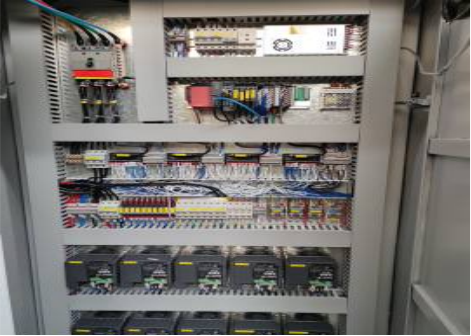
Performed by the on-duty operator, focusing on equipment operation status and potential safety hazards, this is the first line of defense against major failures:
Safety protection device inspection: Check all safety doors, safety guardrails and protective covers one by one to ensure they are intact, closed properly and the safety interlock devices are working normally. It is strictly prohibited to start the equipment when safety protection devices are missing or ineffective.
Emergency stop button function test: Press each emergency stop button to confirm that the equipment can stop running immediately and can start normally after reset. Emergency stop buttons should be kept clean and free from oil stains and debris obstruction.
Power system inspection: Check that the air source pressure is within the range of 0.5-0.7MPa and the power supply voltage is within ±10% of the rated voltage. Observe whether the readings of the barometer and voltmeter are stable and free from abnormal fluctuations.
Hot melt adhesive system preheating inspection: Start the hot melt adhesive machine 30-45 minutes in advance, check whether the temperature of each heating zone reaches the set value (usually 150-180℃, specifically determined according to the hot melt adhesive model) and whether the temperature display is accurate.
Equipment cleaning: Clean up waste, dust and oil stains on the equipment surface, workbench and surrounding ground. Pay special attention to cleaning the surfaces of photoelectric sensors, encoders and safety gratings to prevent affecting detection accuracy.
Raw material tension inspection: Check whether the tension of non-woven fabrics, absorbent paper, PE films, release papers and other raw materials is uniform and moderate. Excessive tension can easily cause material breakage, while insufficient tension will affect product dimensional accuracy.
Operation status observation: Start the equipment for low-speed trial operation, listen to whether the equipment operation sound is normal and whether there are abnormal friction, impact or squealing sounds. Observe whether the equipment has abnormal vibration and whether all moving parts run smoothly.
2.2 Weekly Maintenance (2-3 Hours)
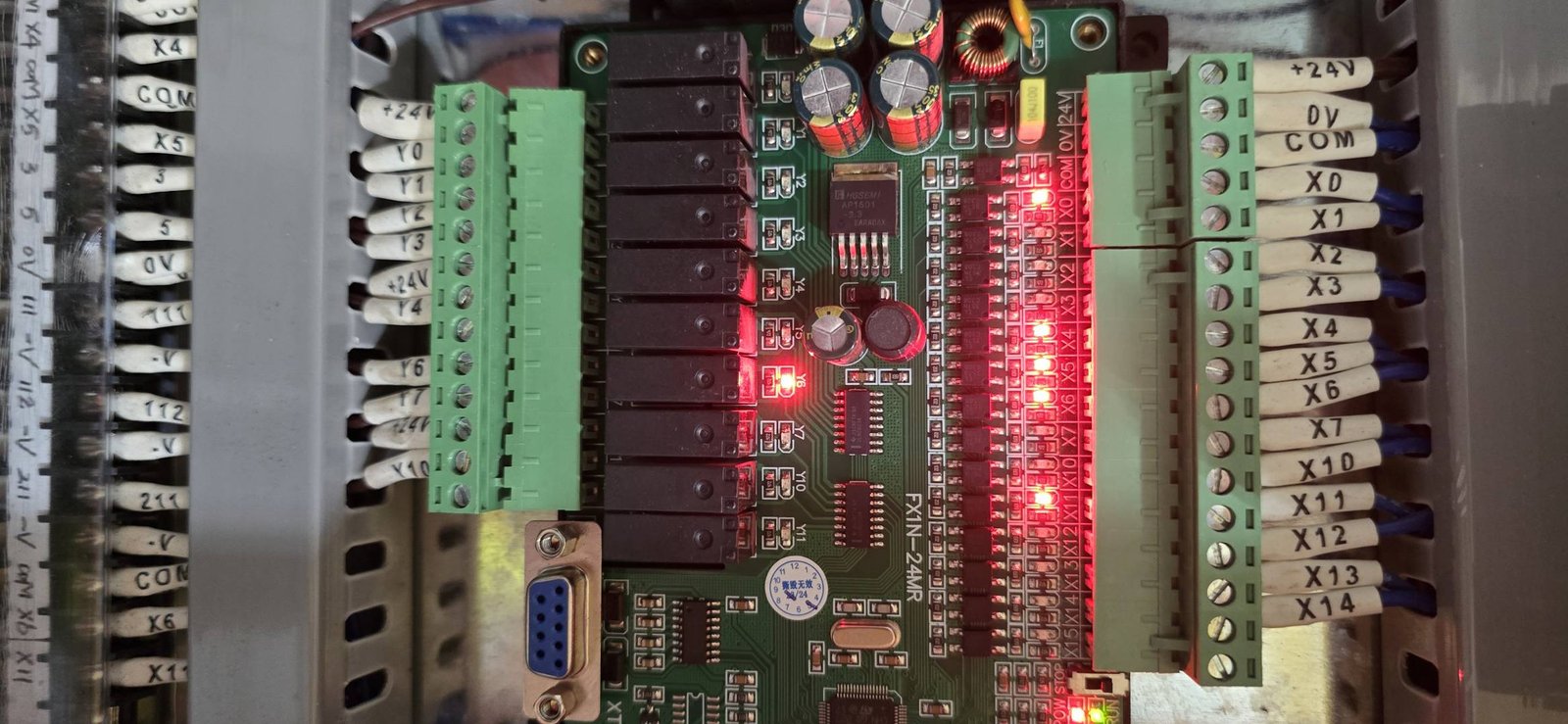
Performed by senior operators or junior technicians when the production line is shut down:
Lubrication of moving parts: Lubricate all bearings, guide rails, chains, gears and other moving parts according to the grease model and filling amount specified in the lubrication manual. Be careful not to overfill with grease to avoid contaminating products.
Conveyor belt system inspection: Check that the tension of all conveyor belts is appropriate. When pressing the middle of the conveyor belt with your finger, the deflection should be between 10-15mm. Check whether the conveyor belt surface has damage, cracks or aging, and whether the conveyor belt joints are firm.
Sensor cleaning and inspection: Clean the surfaces of photoelectric sensors, color mark sensors, proximity switches and encoders with a clean soft cloth or anhydrous alcohol. Check whether the sensor installation position is correct and the fixation is firm.
Pneumatic system inspection: Check all air pipes, joints and cylinders for air leakage, which can be detected by applying soapy water to suspicious parts. Check the oil level and water level of the pneumatic triple piece and drain condensed water in a timely manner.
Hot melt adhesive system maintenance: Clean the nozzles and glue path filters of the hot melt adhesive machine to remove residual carbonized glue particles. Check whether the glue pipes are damaged or aged and whether the glue pipe insulation layer is intact.
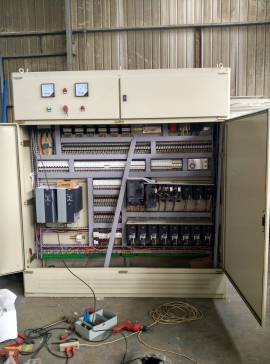
Electrical system heat dissipation inspection: Check whether the cooling fans of the electrical cabinet, frequency converters, servo drives and motors are running normally and whether the heat dissipation ports are blocked. Clean dust and debris on the heat sinks.
Fastener inspection: Comprehensively check whether the bolts, nuts and connectors on the equipment are loose, especially in parts with large vibration. Tighten loose fasteners in a timely manner and mark them.
2.3 Monthly Maintenance (4-6 Hours)
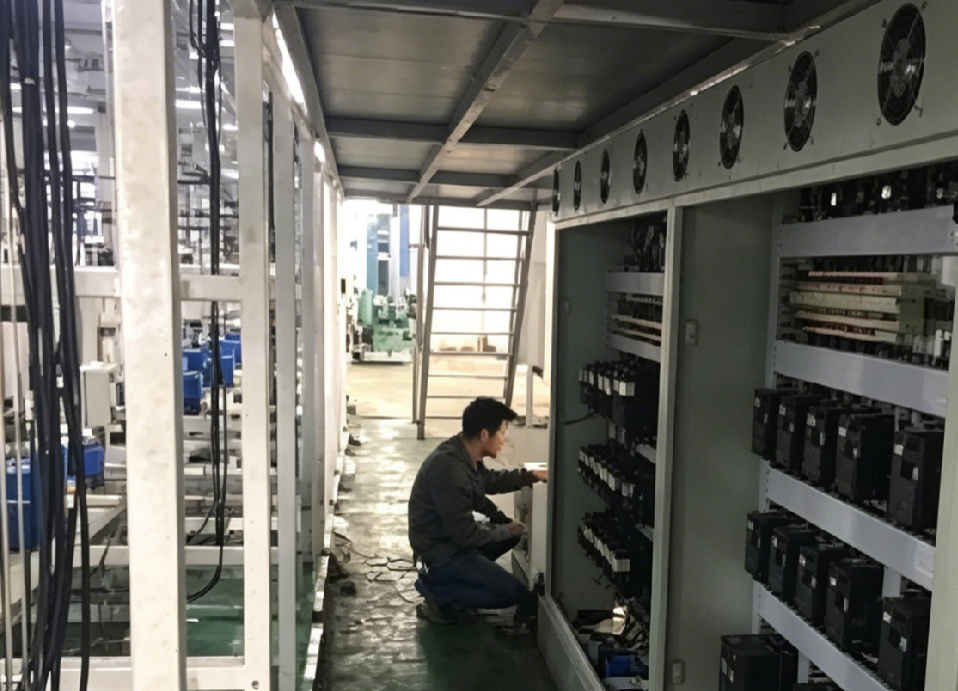
Performed by intermediate technicians, it is recommended to arrange it on weekends or during production gaps:
Motor operation status detection: Measure the operating temperature of each motor with an infrared thermometer. Under normal circumstances, the motor housing temperature should not exceed 70℃. Measure the working current of the motor with a clamp ammeter, which should be within the rated current range.
Bearing status inspection: Check the operating sound and vibration of each main bearing with a stethoscope or vibration detector. If abnormal noise or increased vibration is found in the bearing, arrange for replacement in a timely manner.
Sensor calibration: Calibrate photoelectric sensors and color mark sensors using standard calibration tools to ensure detection accuracy. Adjust the sensitivity of the sensors to avoid false detection or missed detection.
Pneumatic triple piece maintenance: Replace the air filter and oil mist filter of the pneumatic triple piece. Check the working performance of the pressure reducing valve to ensure stable output air pressure.
Internal cleaning of electrical cabinet: Turn off the main power supply of the electrical cabinet and blow off the dust inside the electrical cabinet with compressed air (pressure not exceeding 0.3MPa). Check whether the wiring terminals are loose and whether the wires are aged or damaged.
Hydraulic system inspection (if equipped): Check the oil level and oil quality of the hydraulic system. The oil level should be between the upper and lower limits of the oil gauge scale. If the oil becomes turbid, black or contains impurities, replace it in a timely manner.
Safety interlock device test: Comprehensively test the functions of all safety interlock devices, including safety door interlocks, safety grating interlocks, emergency stop interlocks, etc. Ensure that the equipment can stop running immediately when any safety device is triggered.
2.4 Quarterly Maintenance (8-12 Hours)
Performed by senior technicians, it is recommended to arrange the production plan in advance and reserve sufficient downtime:
Gearbox maintenance: Check the oil level and oil quality of each gearbox and replace the gearbox lubricating oil according to the requirements of the equipment manual. When replacing the lubricating oil, replace the oil filter at the same time and clean the sediment at the bottom of the gearbox.
Timing belt system inspection: Check the wear of the timing belt and observe whether there are cracks, peeling or excessive wear on the tooth surface. Adjust the timing belt tension to ensure smooth transmission without slipping.
Chain system maintenance: Check the wear and elongation of the chain. If the chain elongation exceeds 3% of the original length, replace it in a timely manner. Thoroughly clean and lubricate the chain to ensure flexible operation.
Sensor calibration: Conduct comprehensive calibration of pressure sensors and temperature sensors using professional calibration instruments to ensure measurement accuracy. Calibration records should be archived and saved.
Electrical system parameter inspection: Check whether the parameter settings of frequency converters and servo drives are correct and free from abnormal changes. Back up the PLC program and all equipment parameters to prevent accidental loss.
Deep cleaning of hot melt adhesive system: Drain the remaining glue in the hot melt adhesive machine storage barrel and thoroughly clean the storage barrel, glue pump and glue path with a special cleaning agent. Replace all filters of the hot melt adhesive system.
Grounding system inspection: Measure the grounding resistance of the equipment with a grounding resistance tester, which should not be greater than 4Ω. Check whether all grounding wire connections are firm and free from corrosion or looseness.
2.5 Annual Comprehensive Overhaul (24-48 Hours)
It is recommended to be performed by our professional engineers or a local technical team that has received systematic training from us. This is the key to ensuring the long-term stable operation of the equipment:
Disassembly and inspection of key components: Comprehensively disassemble and inspect key components such as forming drums, embossing rollers, cutter rollers and composite rollers. Check whether the roller surfaces have wear, scratches or deformation and whether the bearings are damaged.
Replacement of wearing parts: Replace all severely worn bearings, gears, seals, timing belts and chains. Prepare the required replacement parts in advance according to the equipment running time and wear condition.
Comprehensive electrical system testing: Conduct comprehensive testing of electrical components such as PLCs, frequency converters, servo drives and touch screens. Replace aging wires, cables and wiring terminals.
Comprehensive pneumatic system maintenance: Disassemble and clean all cylinders and solenoid valves and replace seals. Check all air pipes and joints and replace aged or damaged parts.
Comprehensive overhaul of hot melt adhesive system: Disassemble and inspect the hot melt adhesive pump, heating pipes and temperature controllers. Replace worn pump body parts and heating pipes and calibrate the temperature control system.
Whole machine accuracy calibration: Conduct comprehensive calibration of the parallelism, coaxiality and perpendicularity of the equipment using professional instruments. Adjust the relative positions between each station to ensure product accuracy.
Equipment performance test: After completing all overhaul work, conduct no-load trial operation and load trial operation of the equipment. Test the maximum operating speed of the production line, product qualification rate and various performance indicators.
3. Special Inspection Points for Key Systems
3.1 Transmission System
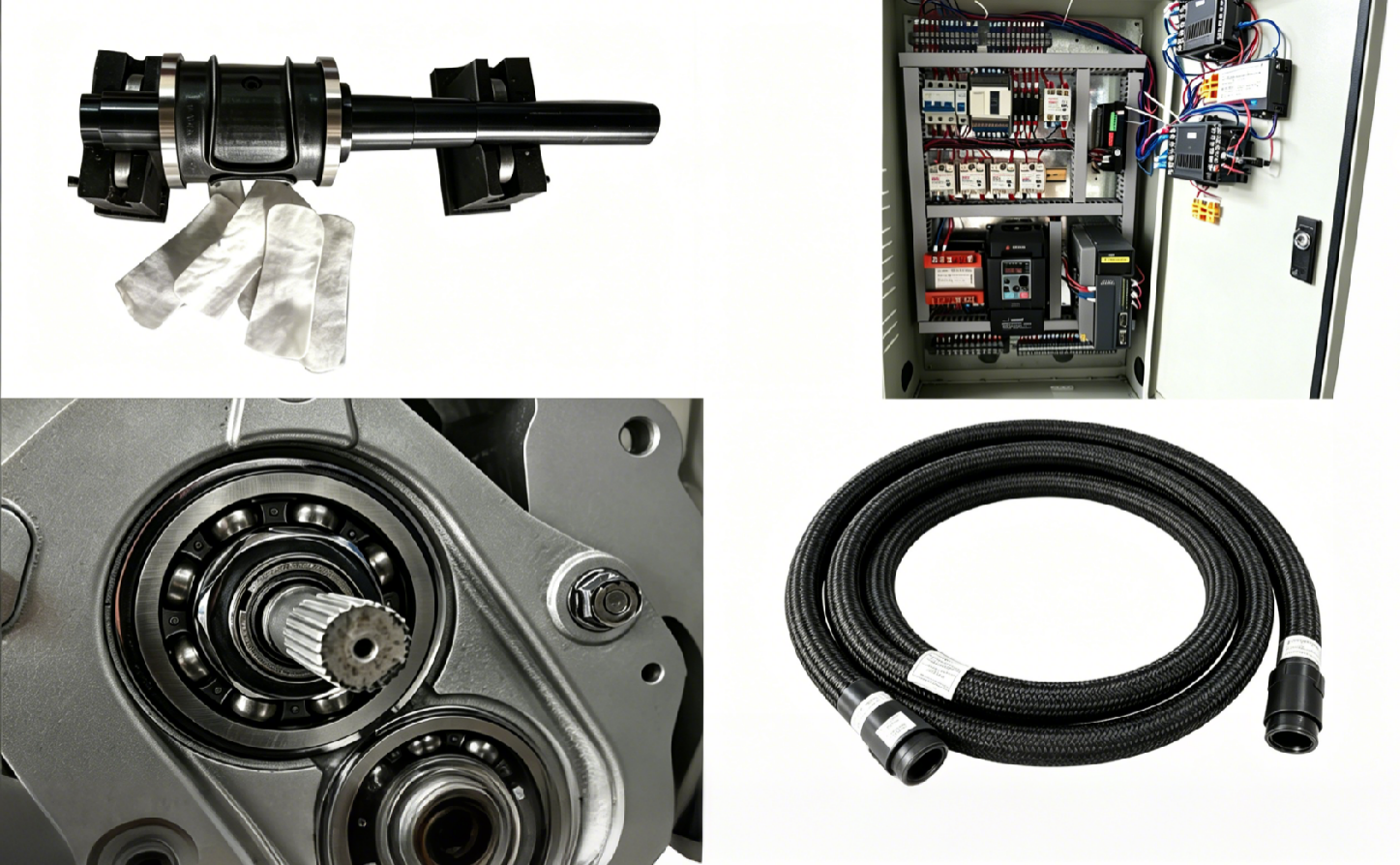
The transmission system is the "heart" of the sanitary napkin machine, and its stability directly affects the production line speed and product quality:
Gearbox maintenance: Regularly check the oil level and oil quality of the gearbox. The lubricating oil should be replaced after the first 500 hours of operation and then every 2000 hours of operation. When replacing the lubricating oil, use the same model of gear oil as the original factory.
Bearing maintenance: Bearings are the most easily damaged parts in the transmission system and should be regularly filled with grease. If the bearing operating temperature exceeds 70℃ or there is abnormal noise, stop the machine immediately for inspection and replacement.
Timing belt maintenance: Timing belts should avoid contact with oil stains and chemicals to prevent aging. When installing the timing belt, ensure that the pulleys are aligned and the tension is appropriate. The service life of a timing belt is generally 1-2 years.
Coupling maintenance: Regularly check the coaxiality of the coupling, and the deviation should not exceed 0.1mm. If abnormal vibration or noise is found in the coupling, adjust the coaxiality or replace the elastic elements in a timely manner.
3.2 Electrical Control System
The electrical system is the "brain" of the equipment and is also the part that overseas customers most often encounter problems with:
Electrical cabinet maintenance: Keep the electrical cabinet clean and dry to prevent dust and moisture from entering. The electrical cabinet should be installed in a well-ventilated location, avoiding direct sunlight and high-temperature environments.
Wiring terminal maintenance: Regularly check whether all wiring terminals are loose, especially in parts with large vibration. Loose wiring terminals can cause poor contact, leading to equipment failures and even fires.
Frequency converter and servo drive maintenance: Regularly clean the heat sinks and fans of frequency converters and servo drives to ensure good heat dissipation. Avoid frequent start-stop of the equipment to extend the service life of frequency converters and servo drives.
Program backup: PLC programs and equipment parameters should be backed up regularly, at least once a month. Backup files should be saved in multiple different locations to prevent accidental loss.
UPS power supply maintenance: It is recommended to equip a UPS uninterruptible power supply to prevent equipment damage and data loss caused by sudden power outages. Regularly check the status of UPS batteries, which generally have a service life of 3-5 years.
3.3 Hot Melt Adhesive System
The hot melt adhesive system is a key link in sanitary napkin production, and its maintenance quality directly affects the product bonding effect:
Temperature control: Use hot melt adhesive strictly in accordance with the temperature recommended by the hot melt adhesive manufacturer to avoid excessive temperature leading to glue carbonization. Excessive temperature will not only affect the bonding effect but also shorten the service life of the hot melt adhesive machine.
Nozzle maintenance: Clean the residual glue on the nozzle surface after daily production ends. Disassemble the nozzle for thorough cleaning every week to remove internal carbonized glue particles. If the nozzle is severely blocked, replace it in a timely manner.
Glue path maintenance: Regularly replace the glue path filter to prevent impurities from blocking the glue path. When replacing different models of hot melt adhesive, thoroughly clean the entire glue path to avoid mixing different glue types affecting the bonding effect.
Glue pipe maintenance: Hot melt adhesive pipes should avoid too small bending radii to prevent pipe damage. The insulation layer of the glue pipe should be kept intact to avoid heat loss. The service life of a glue pipe is generally 1-2 years.
Hot melt adhesive selection: It is recommended to use the hot melt adhesive recommended by our original factory to obtain the best bonding effect. Using inferior hot melt adhesive will cause frequent nozzle clogging, poor bonding and other problems.
3.4 Forming and Cutting System
The forming and cutting system determines the final shape and dimensional accuracy of sanitary napkins:
Forming drum maintenance: The forming drum should be cleaned daily to prevent fiber accumulation. Disassemble the forming drum for thorough cleaning every week and check whether the forming net is damaged. The service life of a forming net is generally 3-6 months.
Cutter maintenance: Cutters should be kept sharp and regularly ground or replaced. If the product incision is uneven or has burrs, grind the cutter in a timely manner. The service life of a cutter is generally 1-3 months, depending on the production speed and raw material quality.
Cutter gap adjustment: The cutter gap should be adjusted according to the raw material thickness, generally 0.02-0.05mm. Excessive gap will lead to incomplete cutting, while too small gap will accelerate cutter wear.
Embossing roller maintenance: The embossing roller should be cleaned regularly to prevent pattern clogging. Use a soft brush for cleaning and avoid using sharp tools to scratch the roller surface. If the embossing roller surface is severely worn, re-engrave or replace it.
Product inspection: A certain number of products should be sampled every hour for inspection to measure the size, weight and appearance quality of the products. Adjust equipment parameters in a timely manner when problems are found.
4. Exclusive Maintenance Support Solutions for Foreign Trade Customers
To solve the worries of overseas customers regarding maintenance and upkeep, we provide a full range of technical support services:
4.1 Global Spare Parts Supply System
Establish spare parts warehouses in major markets such as Southeast Asia, the Middle East, Africa and South America, shortening the delivery cycle of commonly used spare parts to 3-7 days.
Provide detailed lists of commonly used spare parts packages and wearing parts, and recommend reasonable inventory levels for customers according to equipment models and production scales.
Support 24-hour air freight service for emergency orders to ensure rapid resumption of production in case of major equipment failures.
All spare parts are original genuine products that have undergone strict quality inspections to ensure compatibility with the equipment and long service life.
Provide detailed spare parts installation instructions and video guidance to help customers replace spare parts by themselves.
4.2 Remote Technical Support
7×24-hour Chinese and English technical support hotline to answer customers' technical questions at any time.
Equipped with an advanced remote diagnosis system that can monitor equipment operation status in real time and detect potential failures in advance.
Provide remote guidance through video conferences to help customers solve common equipment failures.
Establish an online knowledge base with detailed troubleshooting guides, maintenance manuals and operation videos.
Regularly send equipment maintenance reminders and technical updates to customers to help them optimize maintenance plans.
4.3 On-site Technical Services
During equipment installation and commissioning, dispatch experienced professional engineers for on-site guidance to ensure smooth commissioning of the equipment.
Provide regular on-site inspection services to comprehensively check the equipment status and put forward maintenance suggestions and improvement measures.
Provide emergency on-site repair services, with engineers able to arrive at major cities around the world within 48 hours.
Provide equipment upgrade and transformation services to help customers improve production line speed and product quality.
Provide production line relocation and re-installation services to ensure smooth operation of the equipment at the new site.
4.4 Professional Technical Training
Provide 7-10 days of free operation and maintenance training for customers upon equipment delivery.
Regularly hold technical training courses around the world and invite customers' technical personnel to participate.
Provide customized training courses according to customer needs, covering equipment operation, maintenance and upkeep, troubleshooting and other contents.
Issue certificates to qualified technical personnel and establish files of customers' technical personnel.
Provide lifelong technical support to answer questions from customers' technical personnel at any time.
5. Quick Troubleshooting Guide for Common Failures
The following are the most common failures encountered by overseas customers and their quick solutions, which can help you resume production as soon as possible:
Fault Phenomenon | Possible Causes | Quick Solutions |
Production line fails to start | Power supply failure, emergency stop button pressed, safety interlock not closed, PLC program error | Check power supply voltage, reset emergency stop button, confirm all safety doors are closed, restart PLC |
Poor product adhesion | Low hot melt adhesive temperature, insufficient glue amount, nozzle clogging, oil stains on raw material surface | Increase glue temperature by 5-10℃, increase glue amount, clean nozzle, replace raw materials |
Product dimensional deviation | Cutter wear, transmission system slipping, sensor failure, unstable raw material tension | Replace or grind cutter, adjust transmission belt tension, calibrate sensor, adjust raw material tension |
Hot melt adhesive machine does not heat | Heating pipe damage, temperature controller failure, power supply problem, fuse blown | Check heating pipe resistance, replace temperature controller, check power supply voltage, replace fuse |
Pneumatic system does not work | Insufficient air source pressure, solenoid valve failure, air pipe leakage, damaged cylinder seals | Check air source pressure, replace solenoid valve, repair leakage points, replace cylinder seals |
Products have burrs | Dull cutter, excessive cutter gap, insufficient raw material hardness | Grind or replace cutter, adjust cutter gap, replace raw materials |
Excessive equipment vibration | Uneven equipment installation, bearing damage, unbalanced transmission parts, loose fasteners | Adjust equipment levelness, replace bearings, balance transmission parts, tighten all fasteners |
Conclusion
Scientific maintenance and upkeep are the foundation for the long-term stable operation of sanitary napkin production lines and the key to your competitive advantage in the global market. As your trusted partner, we not only provide high-quality sanitary napkin machine equipment but are also committed to providing you with full-lifecycle technical support and services.
No matter where your factory is located in the world, we will ensure the continuous and efficient operation of your production line with professional technology, rapid response and perfect services. If you have any questions about equipment maintenance and upkeep, please feel free to contact our technical support team.